

The Himalayas Have Spoken: A New Era Begins
The dust is settling on Nepal’s 2026 General Election, and the results are not just a political shift; they are a seismic event. Nepal’s Youth Quake: Gen Z Topples the old Guard. Dubbed the “Youth Quake,” this election has defied every traditional prediction, fundamentally redrawing the nation’s political map. The undisputed winners are Nepal’s energized young voters, particularly Generation Z, and their preferred vehicle for change: the Rastriya Swatantra Party (RSP). In a historic upset, they have systematically dismantled the dominance of the “Old Guard”—the entrenched parties that have ruled for decades.
This election will be remembered not only for its surprising outcome but for the powerful demographic shift that powered it.
The Rise of the ‘Bell’: How RSP Redefined the Race

Central to this historic shift is the meteoric rise of the Rastriya Swatantra Party, symbolized by the “Bell” (Ghanti). For many young voters, the RSP represented a clean break from the perceived corruption, inertia, and broken promises of traditional politics. Led by figures who often bypass traditional political hierarchies, the party’s platform of transparency, meritocracy, and digital-first governance resonated deeply.

@examsanjal २०८२ को चुनाव: कसरी 'Gen Z' ले उल्टाइदियो पुरानो पुस्ता को राजनीति 🔔 हिमालबाट गुञ्जियो परिवर्तनको घण्टी! 🏔️ पुरानो राजनीतिको 'सिन्डिकेट' समाप्त भएको छ। हिमालबाट परिवर्तनको घण्टी गुञ्जियो! [१०] बालेन शाहको प्रभाव र रास्वपाको लहरले स्थापित दलहरूको वर्चस्वलाई पूर्ण रूपमा पछाडि पारिदिएको छ [१], [९]। हामीले केवल भोट दिएनौं, आफ्नो भविष्यको स्वामित्व ग्रहण गर्यौं। [८] अबको नेपाल, युवाको नेपाल! 🇳🇵 #GenZ #NepalElectionResult #RSP #BalenShahPolitics #YouthPower #ChangeIsHere #Nepal2026
♬ original sound – Exam Sanjal
“We didn’t just vote for a party; we voted for our future,” explained a 21-year-old first-time voter in Kathmandu. “For too long, the old parties talked about us but never to us. The Bell gave us a voice.”

The RSP didn’t just win seats; they strategically targeted key constituencies, often achieving landslide victories in urban centers like Lalitpur Constituency No. 3 and dominating proportional representation counts in districts previously considered strongholds of the CPN-UML and Nepali Congress.
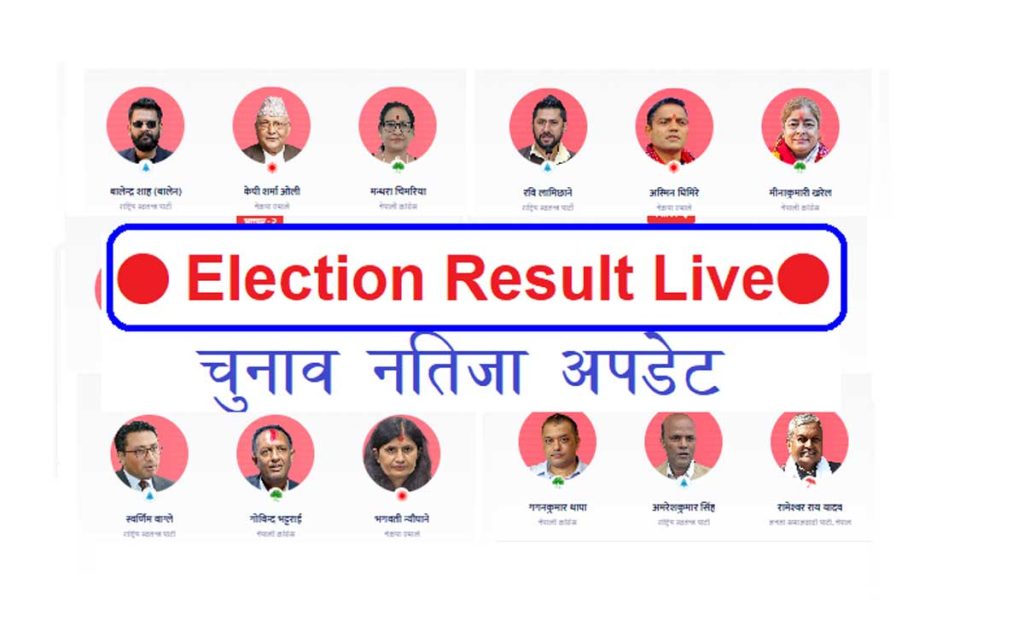
Election Result 2082 2026 Check Voting Counting Update All over Nepal

The ‘Old Guard’ Tumbles: Understanding the Upsets
For decades, Nepal’s political landscape was a duopoly controlled by the two large communist-socialist alliances. This election proved that loyalty to these traditional banners is no longer guaranteed. High-profile, veteran politicians, who had long assumed their seats were safe, found themselves trailing dynamic, younger RSP challengers.
While final country-wide figures are still being tallied, early leads show unprecedented defeats for established leaders. The UML, under KP Sharma Oli, and the NC, under Sher Bahadur Deuba, are facing severe internal reckonings. The narratives of “stability” and “revolutionary struggle” that previously energized their base were met with skepticism by a younger generation focused on economic opportunity, climate resilience, and effective public services.
Gen Z: The Architects of the ‘Youth Quake’
This election was fundamentally about demographic change. Generation Z, digital natives with global perspectives and limited patience for old ideological battles, turned out in force. Following the large-scale youth-led protests in late 2025, which highlighted issues like high youth unemployment and systemic corruption, this voting bloc translated their street energy into ballot box power.
They used social media platforms not just to campaign but to coordinate, question candidates, and demand accountability. The “Youth Quake” is a testament to the power of a demographic shift when it finds a political vehicle that aligns with its values.
The New Nepal: Implications and Future Outlook
What does a political landscape look like with a dominant RSP and a diminished Old Guard? The implications are profound:
- A New Style of Governance: Expect a push for transparency, e-governance, and performance-based metrics in public service.
- Generational Policy Shift: Issues like climate action, digital infrastructure, and startup ecosystems will likely receive far more political attention.
- Political Fragility or Stability? While the rise of new parties can be exciting, it can also lead to fragmented parliaments. Nepal’s established democracy faces a test of coalition-building and consensus-seeking among these new dynamics.
- Rise of Young Leaders: This election has created space for a new generation of leaders. The focus will now be on whether they can transition from “disruptors” to “effective administrators.”
Conclusion: A Seismic Turning Point
The 2026 election will go down as the moment Nepal’s youth took ownership of their political destiny. It is a cautionary tale for traditional parties everywhere: ignore the demographics of the future at your peril. For Nepal, it is an optimistic, if challenging, new beginning. The Himalayas are ringing with the sound of the ‘Bell’, and a new generation is ready to write the next chapter of their nation’s history.